
Arrival of Mormon Piooneers
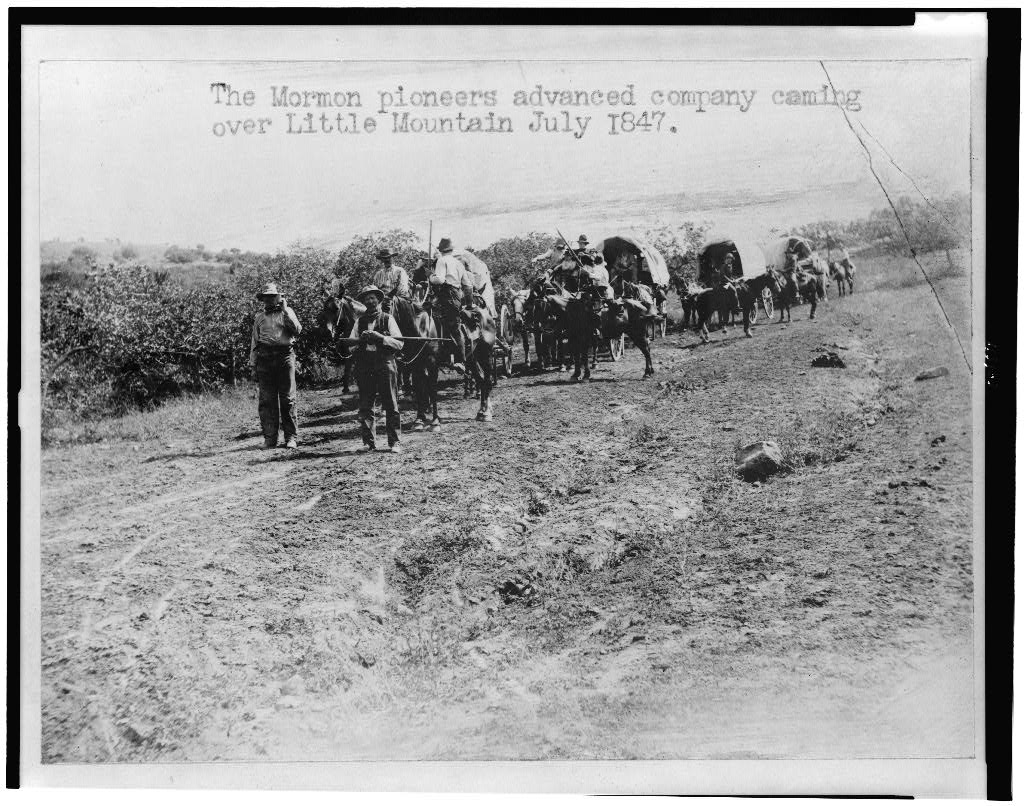
July 24, 1847, marked a pivotal moment in Utah's history, beginning a new era of settlement and development led by members of the Church of Jesus Christ of Latter-day Saints. Brigham Young led the pioneers on a 1,031-mile trek from Winter Quarters, Nebraska, to the Salt Lake Valley. This arrival laid the foundation for future communities and the eventual establishment of Utah as a central hub for the Church.
Utah Territory Established
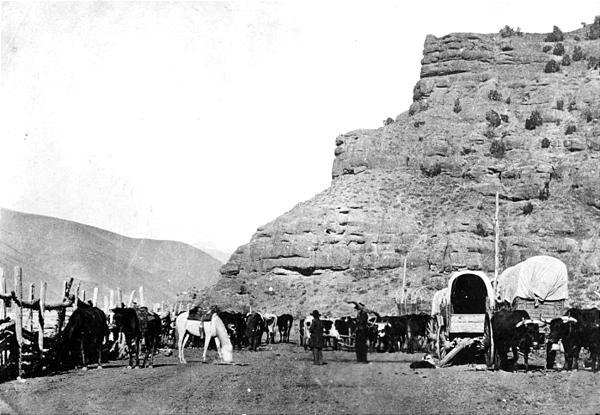
On September 9, 1850, Utah was officially established as a territory of the United States. This designation came in response to the region's growing population and the desire for a formal political structure. It followed earlier failed attempts by settlers to create the independent State of Deseret.
Completion of the Transcontinental Railroad
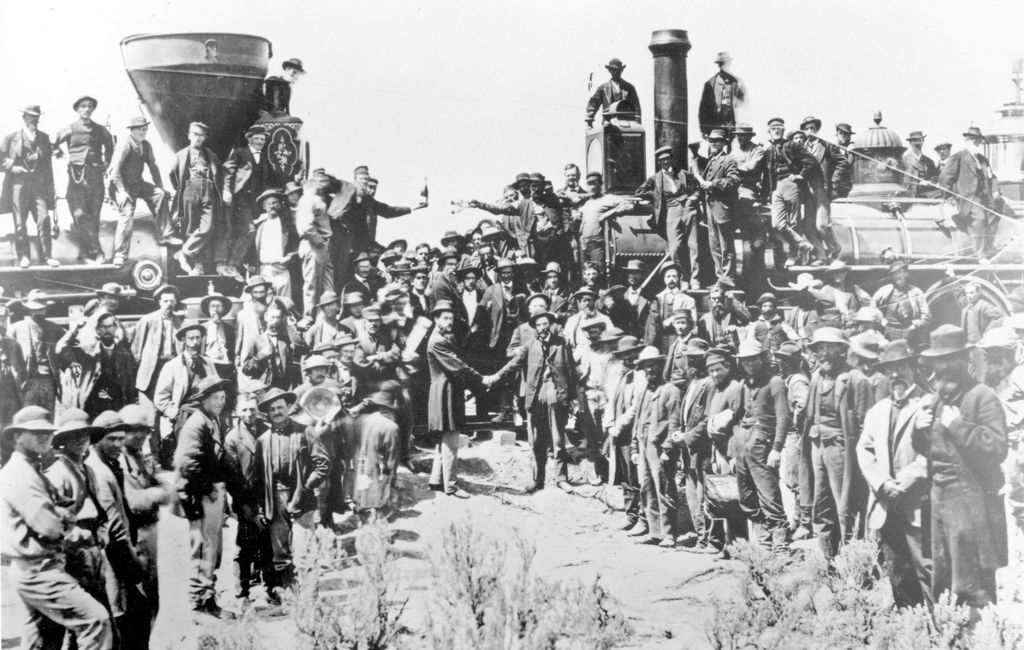
On May 10, 1869, the first transcontinental railroad in the United States was completed with the ceremonial driving of the "Golden Spike" at Promontory Summit, Utah. This event marked the connection of the Central Pacific and Union Pacific Railroads, creating a 1,912-mile continuous railway. The railroad significantly boosted travel, trade, and westward expansion.
Utah Statehood
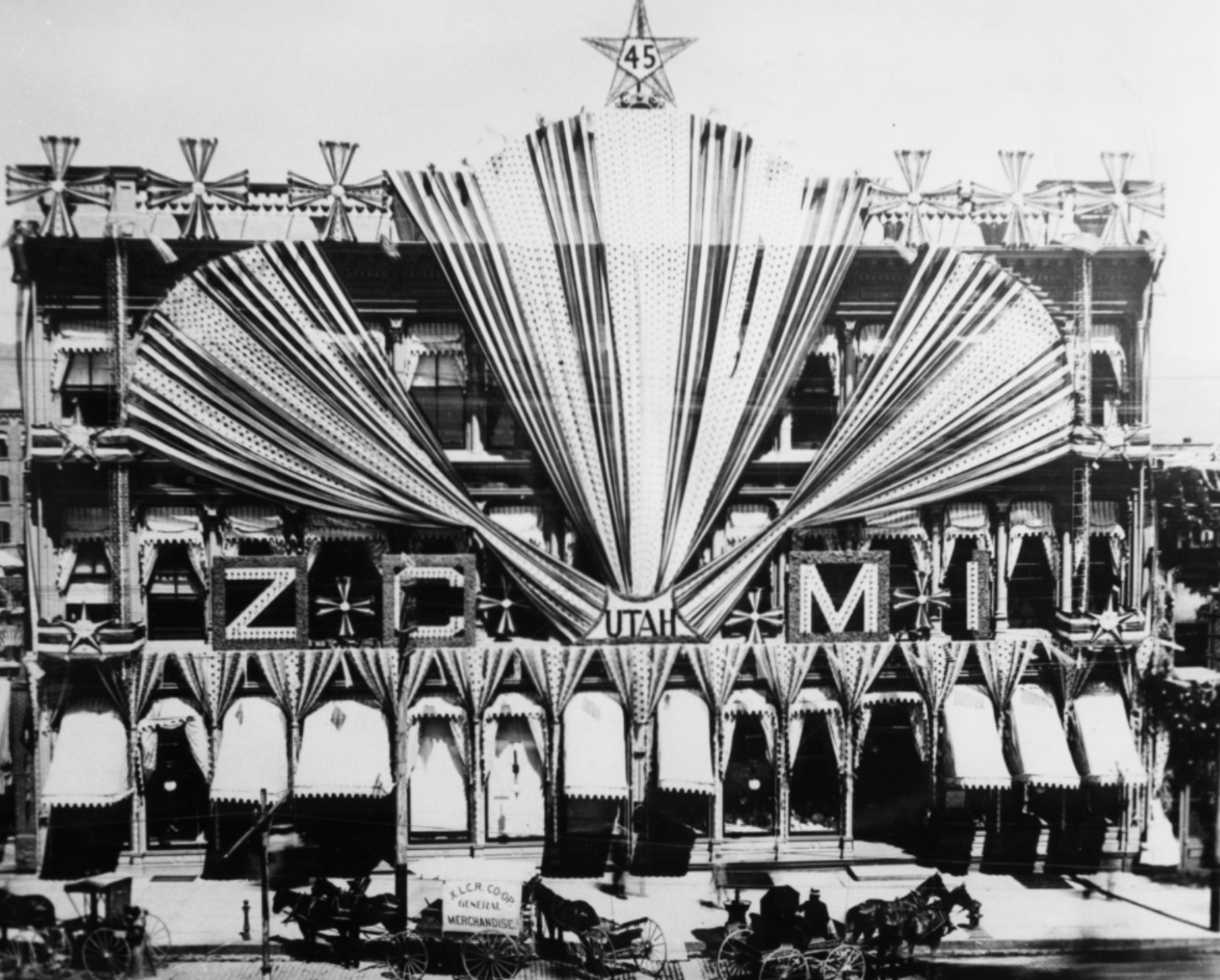
On January 4, 1896, Utah became the 45th state of the United States after a long and complex journey. The path to statehood was shaped by debates over polygamy and the political dominance of the Church of Jesus Christ of Latter-day Saints. Despite these challenges, Utah’s admission into the Union marked a new chapter in its governance and identity.
2002 Winter Olympics

From February 8–24, 2002, Salt Lake City hosted the Winter Olympic Games. Athletes from 77 nations participated, with the U.S. Team winning 34 medals, including 10 golds. Despite facing early controversy, including a bribery scandal during the bidding process, the Olympics elevated Utah’s global profile and reinforced its reputation as a world-class destination for winter sports.